
Designing Resilient Teams
A Practical Framework for Navigating Conflict, Emotional Regulation, and High-Stakes Collaboration in Product Organizations
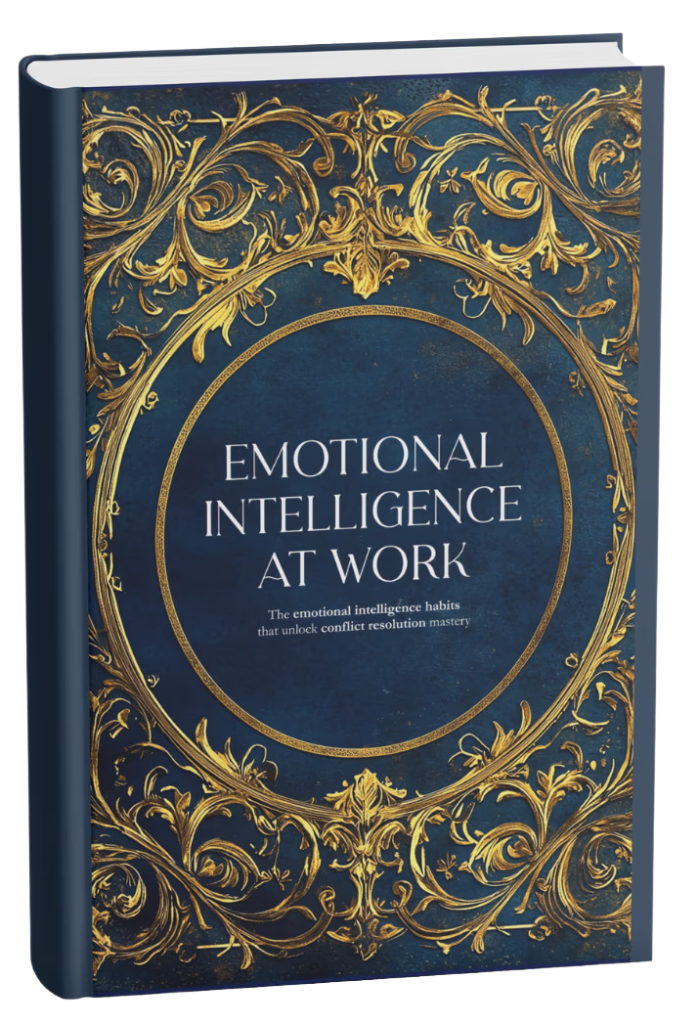
Modern product teams operate under constant pressure. Tight timelines. High expectations. Cross-functional tension. In these conditions, conflict is inevitable.
Most teams are never taught how to work with it.
This book introduces a practical, evidence-informed framework for helping product teams regulate emotion, navigate disagreement, and turn friction into productive momentum.
Rather than treating conflict as a failure state, the book reframes it as a predictable signal within complex systems and offers concrete tools for responding skillfully.
The result is not "perfect harmony."
The result is durable collaboration.
Who This Book Is For
UX & Product Designers
Operating in low or uneven UX-maturity environments
Product & Engineering Leads
Navigating cross-functional tension
Emerging Leaders
Responsible for influencing without formal authority
High-Performing Teams
Who want to improve communication without relying on vague advice
What You'll Learn
• How to recognize nervous-system activation in yourself and others
• Practical techniques for staying grounded during high-stakes conversations
• How to recover quickly after conflict
The book integrates applied concepts from:
- Cognitive Behavioral Therapy (CBT)
- Dialectical Behavior Therapy (DBT)
- Acceptance and Commitment Therapy (ACT)
- Applied neuroscience and stress response research
- Real-world product team case examples
All frameworks are translated into practical, work-appropriate language.
No clinical framing.
No jargon.
No performative positivity.
Outcomes
Readers gain:
Greater emotional steadiness in complex environments
Stronger communication habits
Increased influence without positional power
More reliable collaboration across disciplines
Fewer stalled projects caused by unresolved tension
This book has been shared privately with:
- • UX practitioners
- • Mentorship communities
- • IxDF chapter members
It serves as a foundational thinking artifact behind Alexandra's work in experience strategy, behavioral design, and team operating models.